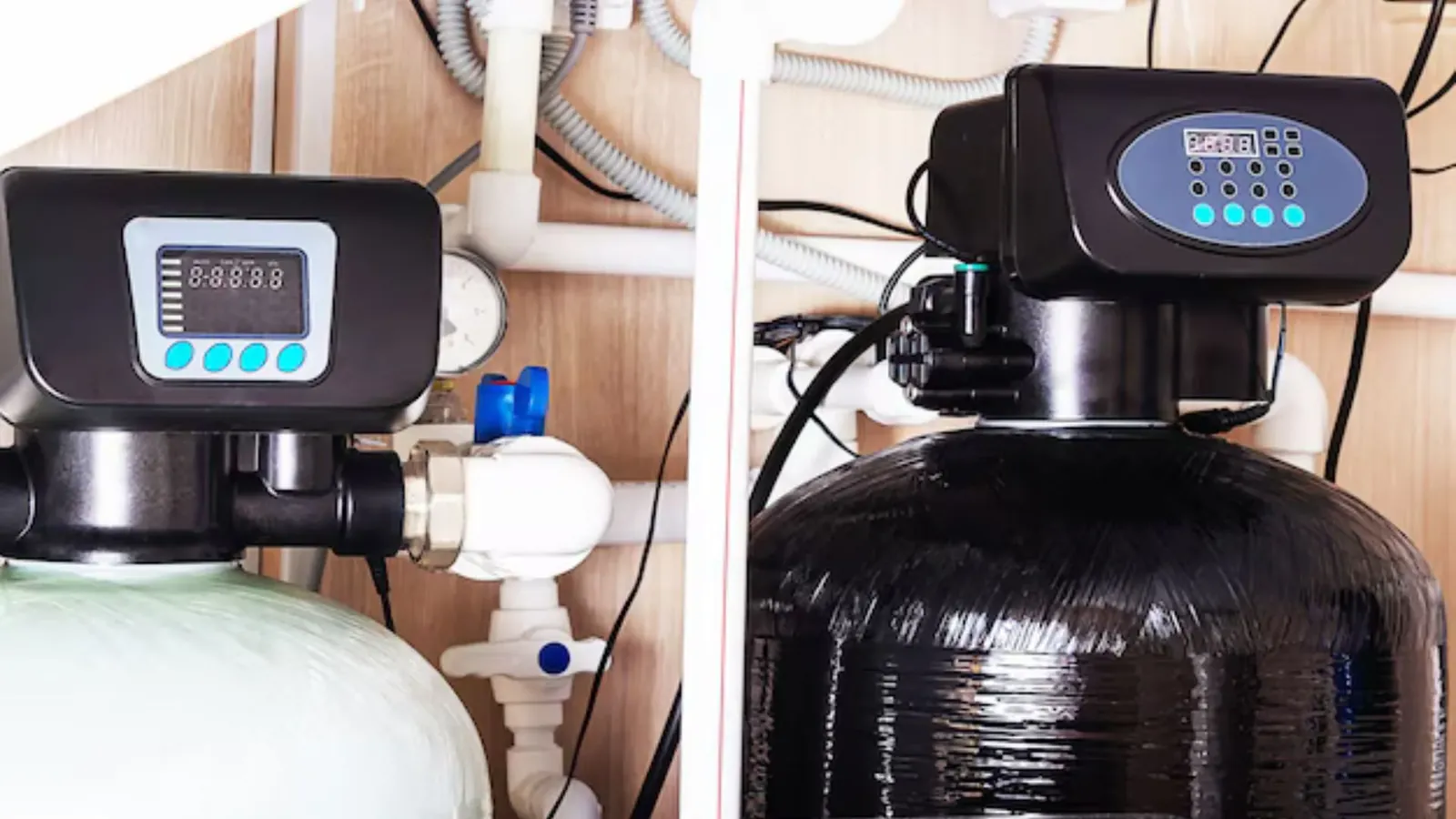
What A Carbon Filter Does
Activated carbon works by adsorption. Molecules stick to the surface of the carbon as water passes through. It is effective on chlorine, many tastes and odors and some organic chemicals. It does not remove dissolved minerals, so it does not soften water.
Not all carbon filters are alike. Block carbon filters packed tightly can capture more than loose granular carbon. Look for a filter that lists what it is tested to reduce, and check that the claims are certified by a recognized testing body.
| Filter type | Good for | Not for |
|---|---|---|
| Carbon filter | Chlorine taste and odor, some chemicals | Hardness, dissolved minerals |
| Sediment filter | Sand, silt and rust particles | Taste and dissolved substances |
| Water softener | Scale from hardness minerals | Taste and most contaminants |
| Reverse osmosis | Many dissolved substances at one tap | Whole-house flow |
Pitcher, Under-Sink Or Whole-House
Pitcher or faucet mount
Low cost, no plumbing, small volume. Good for drinking water only.
Under-sink
Connects to the cold line and gives filtered water at a dedicated tap. Needs space in the cabinet.
Whole-house
Filters water at the point of entry. Reduces chlorine in showers and laundry. Needs a larger unit and a bypass.
The best choice depends on what bothers you. If it is the taste of drinking water, an under-sink filter is usually enough. If it is the smell of shower water or dry skin after bathing, whole-house carbon may help.
Want A Filter Installed?
Call the Erie line and describe your water. We will recommend a system.
Maintenance Matters
A filter that is overdue for replacement stops working and can release what it captured. Follow the maker's schedule, which depends on the volume of water and the quality of the supply. Write the change date on the housing.
Whole-house systems should have a bypass valve and a pressure gauge so you can see when flow drops. A clogged filter lowers pressure everywhere in the house.
Test Before You Buy
A home test kit or a lab test tells you what is in your water. Without a test, you are buying a solution without knowing the problem. If you see scale on fixtures, a water softener may be the better first step.
Our water softener and filtration page explains how we install both types. For leaks at the filter housing, see leak detection. We also serve Lafayette. See the Lafayette page and the service area page.
Choosing By Certification
A filter label should say what the filter is certified to reduce and by which testing body. Claims such as improves taste are vague. Claims that cite a standard number and list contaminants are more reliable. If the label lists nothing specific, treat it as a basic taste filter.
Match the filter to your goal. A filter certified for chlorine reduction does not necessarily address other substances. Test your water first, then pick a filter that lists the substances you care about.
Installing Under The Sink
An under-sink filter tees into the cold supply and sends filtered water to a small separate faucet. The housing needs room to unscrew the cartridge for changes. Leave a few inches of clearance below it.
Install a shutoff before the filter so you can change cartridges without shutting off the house. Check every fitting for drips after the first day.
Whole-House Placement
A whole-house filter goes after the main shutoff and the pressure regulator, and before the water heater. Leave space around it for cartridge changes and install a bypass. Label the date of installation on the housing.
If the home has a softener, the carbon filter usually goes ahead of it to protect the softener resin from chlorine.
Erie Notes: Where The Town's Water Comes From
The Town of Erie's 2021 water conservation plan, filed with the Colorado Water Conservation Board, says Erie's supply comes from Colorado-Big Thompson and Windy Gap water delivered through Northern Water, plus South Boulder Creek and Coal Creek supplies. The water is treated at the Lee Morgan Water Treatment Facility.
We do not quote a hardness number here because it varies and the Town's published sources do not give one. Ask the Town's Utility Billing office at 303-926-2700 for its current water quality report, and ask which disinfectant it uses, since that affects the filter you pick.
Questions Erie Homeowners Ask
No. Carbon does not remove calcium and magnesium. A softener reduces scale.
Follow the maker's schedule. It depends on usage and water quality.
If chlorine smell in showers or laundry bothers you, it can help. Compare it with an under-sink filter first.
The Town of Erie's 2021 plan lists Colorado-Big Thompson and Windy Gap supplies through Northern Water, plus South Boulder Creek and Coal Creek, treated at the Lee Morgan Water Treatment Facility.
Pitcher and faucet-mount types need none. Under-sink and whole-house systems involve plumbing and are best installed by a plumber.